Investing in Skills Before They Become Useful
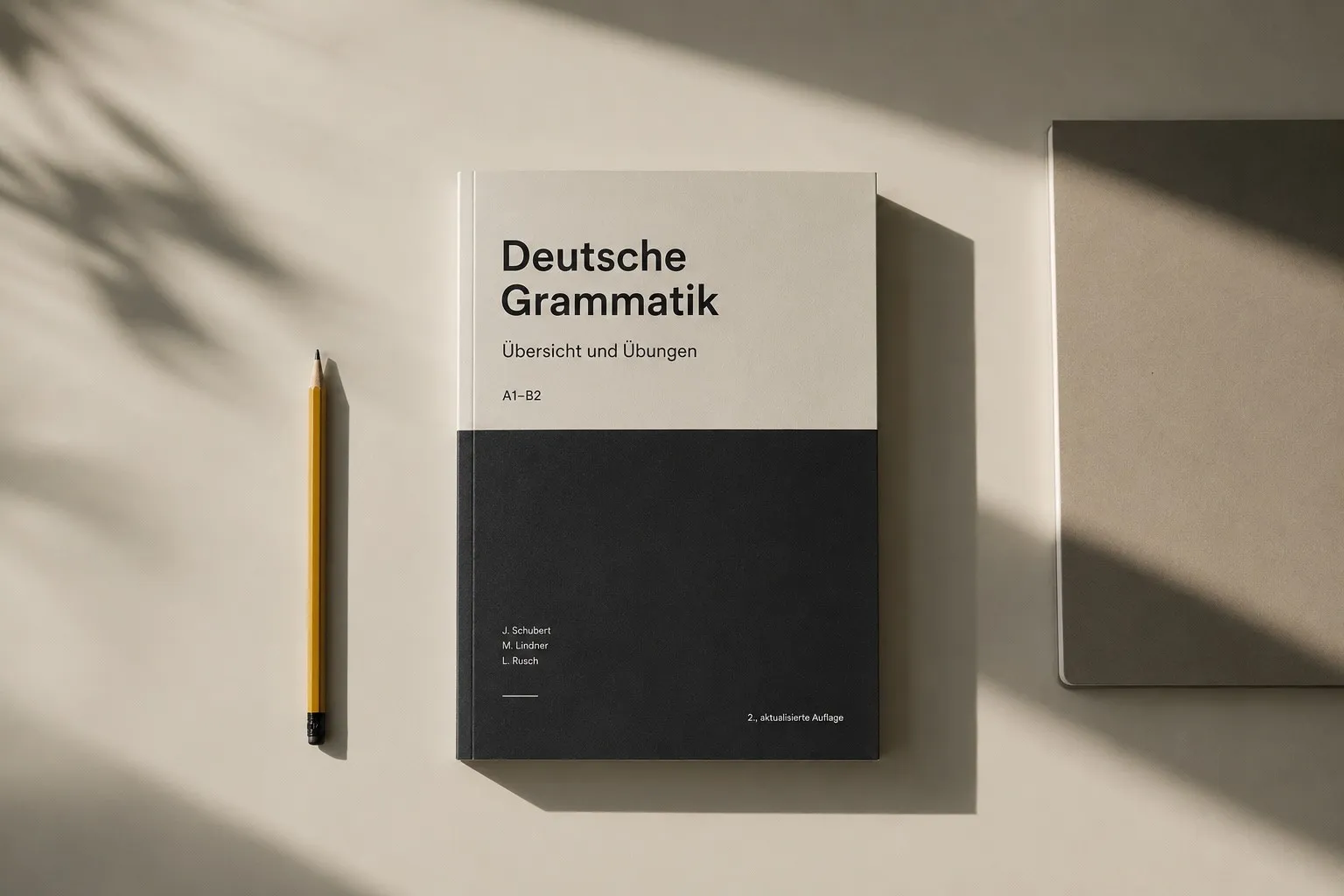
I chose to learn German when I was eleven years old, long before I had a practical reason to use it. Looking back, it became my first lesson in long-term thinking—and quietly shaped how I approach learning, business, and building today.
Overview
The most valuable skills rarely feel urgent when you begin. This article reflects on nearly eight years of learning German, why I chose it long before I needed it, and how that decision taught me that capability compounds long before opportunity arrives.
Category:
Personal Growth
Published:
Publisher:
Philip Heyes
Reading
5 min
Series
Learning
Updated:
Intoduction
Some of the most important decisions we make don't feel important at the time.
When I was in fifth grade, I decided to start learning German. No one asked me to. There wasn't a concrete career plan behind it, no guarantee that I would ever live or work in Germany, and certainly no expectation that the language would become immediately useful. I simply believed something that still shapes how I think today: the more capable you become, the more opportunities you'll be able to recognize when they eventually appear.
At eleven years old, I couldn't have explained it that clearly. I just knew that investing in myself was rarely a bad decision. Looking back, I don't think I was learning German as much as I was learning patience. Long before I started building software or thinking about companies, I had already started building something else—the habit of investing in myself without expecting immediate results.
Capability Compounds Quietly
Learning German wasn't a weekend project. It became part of my life for almost eight years, from fifth grade until my first year of senior high school. Every week meant another lesson, another grammar exercise, another vocabulary list, and another small improvement that barely felt noticeable in the moment.
Like most worthwhile pursuits, the progress wasn't exciting. It was repetitive. Most of the work happened on ordinary afternoons after school, where nothing remarkable seemed to happen except showing up again. There were no dramatic breakthroughs, only the quiet accumulation of hundreds of small efforts that eventually became something meaningful.
Looking back, that's the real lesson I took away from those years. Meaningful capability isn't built through moments of motivation. It's built through consistency.
The diploma at the end of that journey wasn't the achievement I value most today. The achievement was becoming someone who could commit to something for years without seeing immediate results. That mindset would quietly influence almost every important decision I made afterwards, even if I didn't recognize it at the time.
Order Creates Clarity
What fascinated me most about German wasn't the vocabulary.
It was the structure.
Greek is an incredibly expressive language. The same idea can often be communicated in dozens of different ways, each with its own rhythm and nuance. German always felt different to me. It reminded me of organizing books inside a bookstore. Every book has a shelf. Every shelf has a place. Everything follows a logical system. Once you understand that system, finding what you're looking for becomes effortless.
That's how German felt.
Every word had its place. Every sentence followed a structure. Meaning wasn't created through improvisation but through precision.
Over time, I realized I enjoyed that way of thinking far beyond language itself. I liked building systems that made complexity easier to understand. I found satisfaction in organizing ideas before acting on them. Whether I was studying, planning projects, or years later documenting software, my instinct was always the same: understand the structure first.
Looking back, I sometimes wonder if my appreciation for systems started there, inside a classroom learning German grammar.
You Rarely Know Which Skill Will Matter
When I started learning German, I couldn't possibly have predicted where life would eventually lead.
I didn't know I would study engineering. I didn't know I would become interested in entrepreneurship. I certainly didn't know that one day I would spend most of my time building software and thinking about products.
Yet that decision quietly kept creating opportunities.
It gave me access to books, articles, and perspectives that would otherwise have remained unavailable. It introduced me to another culture of engineering, business, and design. It made the idea of one day working with German-speaking companies or expanding into those markets feel possible instead of intimidating.
The interesting part is that none of those reasons existed when I made the decision.
That's what makes long-term investments in yourself so powerful.
You don't invest because you already need the skill. You invest because you trust that future versions of yourself will eventually find a use for it.
When I look back now, I notice the same pattern repeating itself throughout my life. Learning German before I needed German. Learning software before I had customers. Writing documentation before writing code. Building systems before trying to scale them.
The principle never changed.
Capability comes first.
Opportunity usually arrives later.
The Best Investments Feel Unnecessary
Most people wait until a skill becomes immediately useful before deciding to learn it. On the surface, that seems efficient. Why spend years learning something that might never matter?
I've gradually come to believe the opposite.
The highest-return skills are usually the ones that feel unnecessary when you begin.
Languages.
Writing.
Programming.
Public speaking.
Design.
Systems thinking.
None of them produce immediate results. None of them offer instant gratification. They quietly compound while you're busy doing other things, and by the time everyone realizes they matter, the people who started years earlier are already benefiting from that investment.
Learning German wasn't valuable simply because I learned another language.
It was valuable because it taught me that meaningful progress often looks invisible while it's happening. It taught me that consistency matters more than intensity, and that becoming slightly more capable every week eventually creates opportunities that couldn't have been planned from the beginning.
Conclusion
If I had waited until German became necessary, I probably never would have learned it.
The same is true for programming. The same is true for writing. The same is true for building companies. The most meaningful skills in my life all started long before there was an obvious reason to pursue them.
That's a mindset I still try to protect today. Not because I know exactly where every investment will lead, but because experience has taught me that capability has a remarkable way of finding opportunities once it's had enough time to compound.
Learning German didn't change my life overnight.
It quietly changed the way I approach almost everything that came after.
Today, when I decide to learn something new, I rarely ask whether it will be useful next month. Instead, I ask a different question: Will my future self be grateful that I started today?
More often than not, that's reason enough to begin.
